

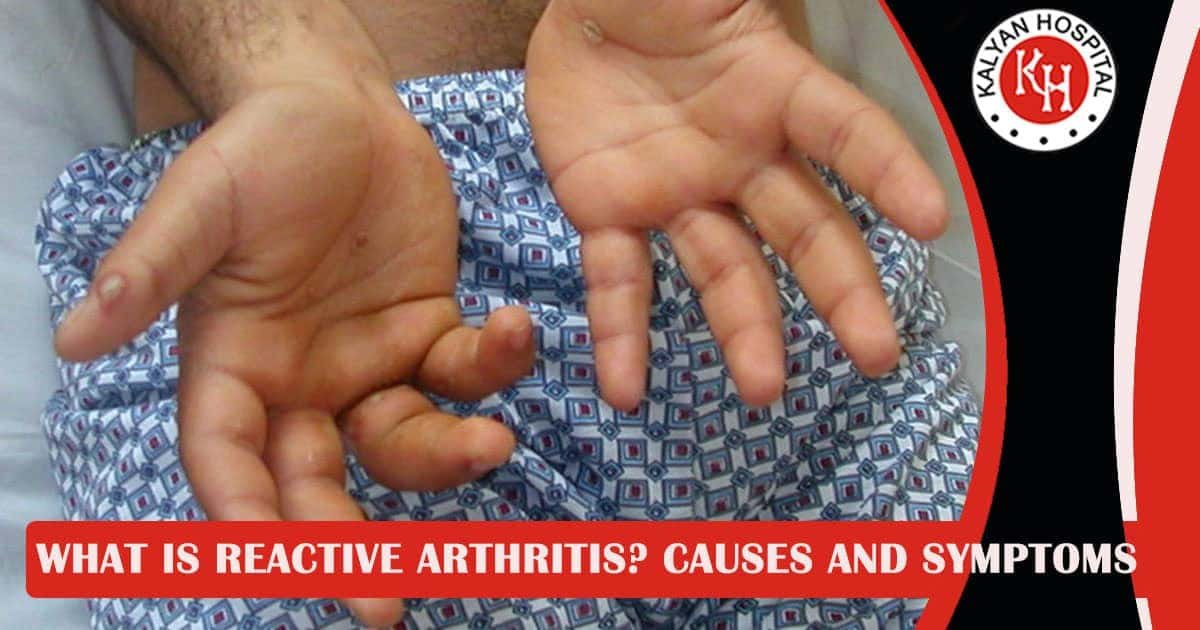
Reactive arthritis is a pain in the joints along with swelling. It is often stimulated by infection in other parts of the body. Some common ones are intestines or urinary tract
It mostly aims at knees and the joints of ankles and feet. Swelling also puts an impact on eyes and skinSymptoms
The indications for reactive arthritis begin five weeks prior to getting exposed to any stimulating infection. These can be:- Pain in lower back :
- Skin problems:
- Swelling in toes and fingers:
- Problems related to passing urine:
Causes
Reactive arthritis happens when reacted to an infection in the body. Mostly seen in the intestines or genitals. Many times the stimulating infection is not known. Some bacteria are also responsible for reactive arthritis. Some of them are transmitted through intercourse and many are foodborne.Risk factors:
Some factors which increase the likelihood of developing arthritis:- Age.
- Sex.
- Genetics.
- Prevention
Reactive Arthritis
Since food disease also leads to reactive arthritis, be careful about consuming food. Make sure it is stored at normal temperature and is cooked in a proper way, so that food contamination is reduced to a minimum.Sometimes sexually transmitted diseases can also be the result of having reactive arthritis. Hence, wear condoms while getting physically involved.
Arthritis treatment
You can discuss with our doctor if you feel any of the symptoms. The arthritis treatment can help in living an active life and also in reducing the long term complications.
Arthritis medicines
Many medicines are prescribed for arthritis. Many are helpful in reducing pain and inflammation. While others help in reducing flares and limit the damage which arthritis does to the body.

Dr. Rajinder Singh
Chief Orthopedic Surgeon
Specializing in robotic knee replacement and endoscopic spine surgeries with 30+ years of clinical excellence at Kalyan Hospital Ludhiana.