

Robotic Knee Replacement in Amritsar
When Should You Consider Robotic Knee Replacement?
Do you often wake up due to excessive knee pain at night? Well, this might indicate the possible damage to your specific knee cartilage, resulting in reduced frequency of daily activities. Experiencing severe knee pain while walking or climbing stairs apparently signifies that your knee joint is telling you something which should not be ignored.
The Truth About Robotic Knee Replacement Surgery
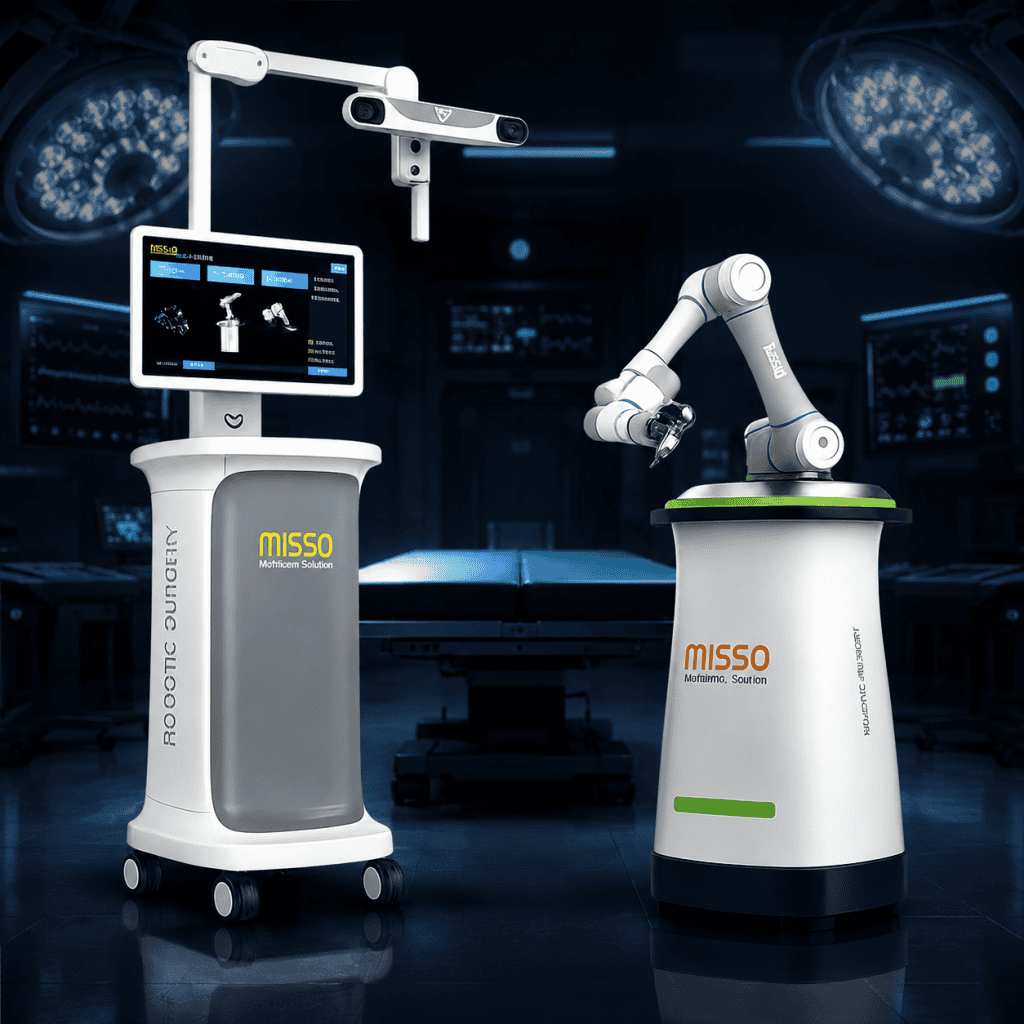
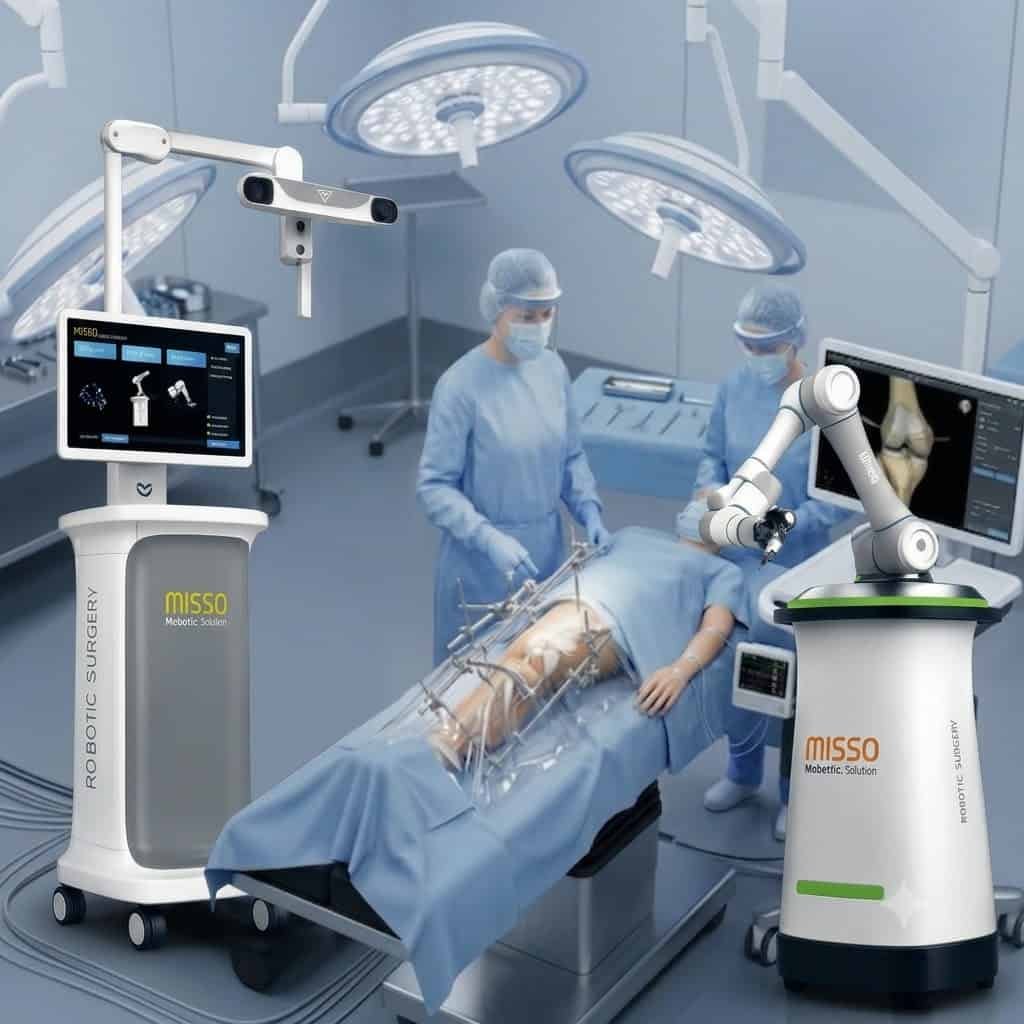
Kalyan Hospital, the best robotic knee replacement hospital in Amritsar, has well-trained and qualified professionals bound to deliver precise results. As the name robotic knee replacement itself indicates, the use of a robotic system, specifically designed for removing the damaged part from your knee joint, is responsible for causing chronic pain.
Structure the surgical process
Before actually beginning the exact surgical process, our surgeon delves into a deep analysis of your knee anatomy. This is done through CT scans or MRI so that we can get the structure and actual size of your knee anatomy. This can make it easy for us to choose the right impact size to place during the surgical procedure.
Target the damaged area with implant positioning
You would be under the effect of anaesthesia before the beginning of any surgical process. Our best robotic knee replacement doctor in Amritsar ensures to target the damaged part of your knee joint. After targeting, we precisely remove it and place the artificial implant in its place accurately.
Effectively close the incisions
After placing the artificial implant in your knee joint, we use the specific tools for closing the incisions we made initially. We even ensure to check the stability and the motion of your knee joint before closing the incisions to make the surgical process successful.
Less Pain And Discomfort: Why Us?
The professional surgeons at Kalyan Hospital have a precise understanding of analysing the pattern of your chronic knee pain, thus providing you with an effective robotic knee replacement surgery.
Qualified and intellectual surgeons
Kalyan Hospital believes in delivering precision while performing robotic knee replacement surgery. This is why our professionals are highly intellectual and qualified to perform the surgical procedure of robotic knee replacement with accurate incisions and better assistance of robotic arms.
Accurate pre-planning
Before indulging in any action, our surgeons prioritise the proper analysis of your knee joint, thus prefer planning the 3D structure of it. This can simplify our process of making accurate bone cuts without even impacting the surrounding tissues.
Individually-focused process
We understand that each individual has different knee anatomy; therefore, we make sure to tailor our surgical planning accordingly. This apparently demonstrates our individualised approach towards the different sizes of knee anatomy.
Robotic Vs. Traditional Knee Replacement
What is traditional knee replacement surgery?
This traditional knee replacement surgery method is also known as the conventional method, which has been preferred by many surgeons for the last several decades. In this surgery, X-ray images are used, and it relies only on the surgeon’s visual examination. During surgery, the surgeon’s team makes an incision around 10 to 12 inches long with the help of surgical tools in knee replacement surgery. The traditional knee replacement surgery depends on vision and human judgment, and the technique is based on bone sectioning and balancing of soft tissues.
What Is A Robotic Knee Replacement Surgery?
In robotic knee replacement surgery, a 3D virtual model of a patient’s knee is prepared to create the preoperative plan. In this procedure, with the help of a computer, a surgeon gives commands to a programmed robotic arm to remove only the damaged part of the knee while saving healthy tissue.
Recovery After Robotic Knee Replacement
The first 24 to 48 hours after robotic knee replacement surgery in Amritsar are critical in your recovery, and in robotic surgery, a patient will experience less pain and swelling compared to traditional methods. In most cases, a patient will be able to stand and walk with the help of therapy within 24 hours, and in this phase, the hospital staff will monitor you carefully for any signs of infection.